Gum Disease Treatment South Portland
Fight Off the Harmful Effects of Gum Disease

Countless studies over the last two to three decades have shown that when left untreated, gum disease can have a drastic impact on your oral as well as your physical health. If we spot any symptoms of this common issue during your semi-annual checkup, like gum inflammation or recession, we’ll work quickly to develop a plan to keep it from getting any worse with gum disease treatment in our South Portland dental office.
Why Choose Dockside Dental for Gum Disease Treatment?
- Efficient & Comfortable Laser Gum Disease Treatment
- Friendly & Knowledgeable Dentists & Team
- Judgment-Free & Supportive Environment
What is Gum Disease?
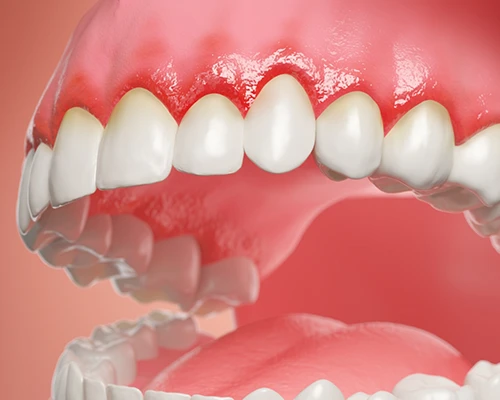
According to the Centers for Disease Control and Prevention, gum disease is one of the most common oral health problems in the nation. It’s estimated that one out of every two adults suffers from the earliest form of the issue, called gingivitis, or the more advanced form, known as periodontitis. It develops as a result of plaque and tartar build-up that leads to bacterial accumulation, and eventually, infection.
Symptoms of Gum Disease
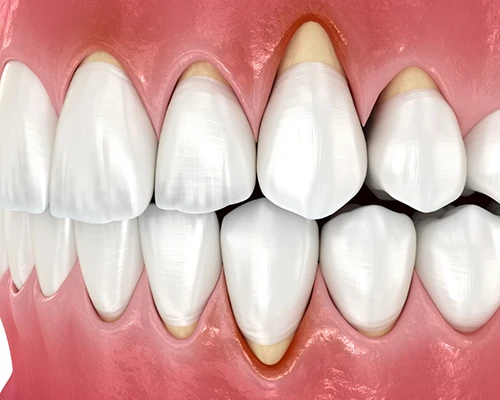
Common symptoms of gum disease include:
- Red or inflamed gums
- Chronic bad breath
- A lingering foul taste in the mouth
- Receding gums
How Do We Treat Gum Disease?
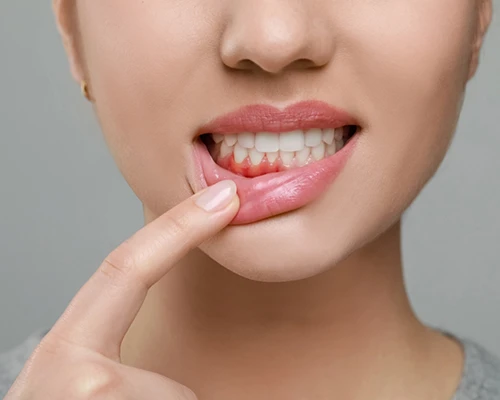
Since there are many different types of gum disease, we personalize each patient’s treatment depending on their needs. After examining your mouth, we’ll review our findings with you and help you build an effective treatment plan.
Scaling & Root Planing
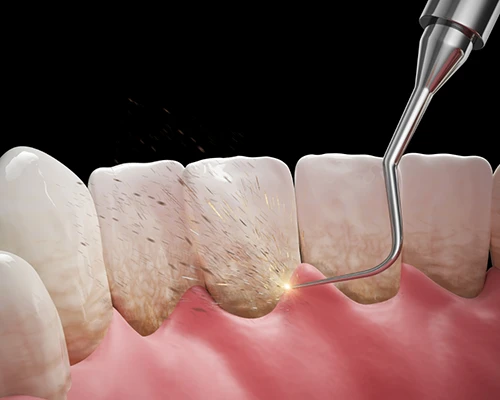
Scaling and root planing is a two-step process that we complete for patients who are suffering from signs of gum disease. We’ll begin by clearing all plaque and tartar from the surface of your teeth, as far down as the pockets of the gums. This will help reduce the prevalence of infection-causing bacteria in your mouth and give it a chance to heal. Finally, we’ll smooth out the surface of your roots, which will allow your gums to healthily reattach and protect these vulnerable areas from becoming reinfected.
Do I Need Scaling & Root Planing?
It will depend on your unique situation. Generally speaking, we recommend scaling and root planing when gum disease has spread below the gumline and is infecting deeper layers of tissue. In this case, a patient may experience all the usual symptoms of gum disease (swollen, red, or receding gums, oral discomfort, loose teeth, etc.) and also develop “periodontal pockets.”
A periodontal pocket forms when harmful bacteria force gum tissue to separate from the dental roots, creating a “pocket” of empty space. Since this occurs beneath the surface, only a qualified dentist can identify periodontal pockets and let you know whether you need scaling and root planing. Rest assured, our team will perform a thorough oral exam so we can determine the best treatment for you and your smile!
The Process of Scaling & Root Planing
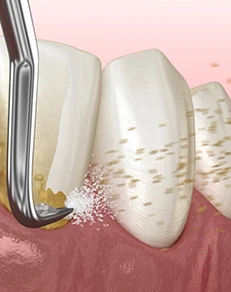
As mentioned earlier, scaling and root planing is a two-step process. It starts with scaling, which simply involves removing the harmful bacteria from the surface of your teeth and the deepest layers of your gums. For the root planing portion of your treatment, we’ll gently massage your gums to smooth out periodontal pockets and encourage the tissue to reconnect to the dental roots.
In some cases, scaling and root planing can be combined with other gum disease treatments to more effectively restore your oral health. If we believe you would benefit from multiple solutions, we’ll review your options with you directly so you can make an informed decision.
Aftercare Tips for Scaling & Root Planing
Remember, scaling and root planing essentially removes an infection from your smile. Your gums are likely going to feel a bit sore after your treatment. To mitigate this, you can take OTC pain relievers or apply a cold compress to the outside of the uncomfortable area. Overly hot, spicy, cold, and hard foods can potentially trigger sensitivity, meaning it’s best to avoid them until your gums are less tender.
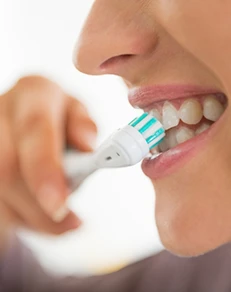
It's also very important to maintain consistent brushing and flossing habits, but don’t worry. We’ll explain the best way to do so without irritating your soft oral tissue. In about one to two weeks, your mouth should feel more normal, and you’ll be able to return to your usual diet.
Laser Gum Disease Treatment
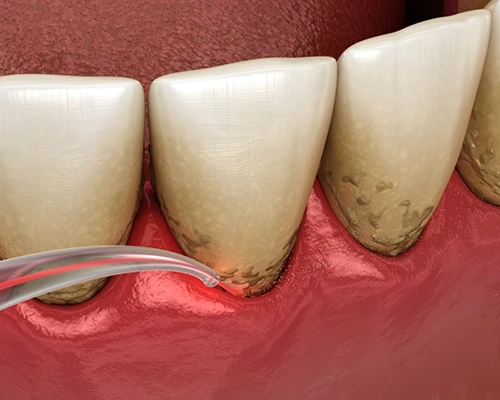
To help effortlessly and precisely remove tartar accumulation and kill harmful oral bacteria, we utilize our diode laser. It emits a concentrated, very thin beam of light that can also vaporize diseased soft oral tissue, minimizing bleeding as well as the need for a scalpel and sutures.
Antibiotic Treatment
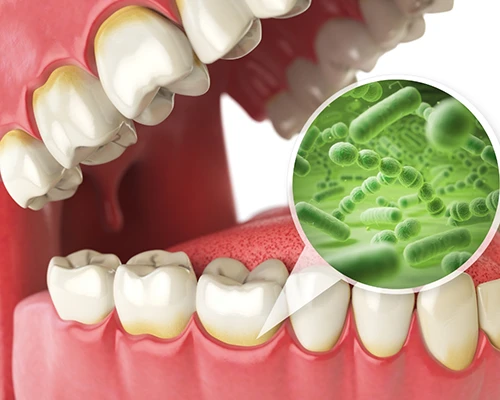
Typically, we suggest antibiotic therapy in combination with scaling and root planing to reverse the symptoms of gum disease and help you find relief. The antibiotics typically come in the form of a pill or medicated mouthwash to target infected gums. They will help kill harmful, inflammation-causing bacteria, preserve your healthy gum tissue, and prevent additional damage from the disease, such as permanent tooth loss.