TMJ Treatment South Portland
Ease Uncomfortable Jaw Pain & Stop Teeth Grinding

TMJ dysfunction, also known as temporomandibular joint dysfunction, occurs when the two joints that attach on either side of your jawbone to your skull aren’t functioning properly. For patients with more severe forms of TMD, this can cause teeth grinding, lockjaw, and popping or clicking when you open or close your mouth. In our South Portland dental office, we offer customized TMJ treatment, helping to reduce pain and improve overall quality of life.
Why Choose Dockside Dental for TMJ Treatment?
- Custom-Crafted Occlusal Splints to Relieve Jaw Pain
- Treatment That Addresses the Root Cause of Pain
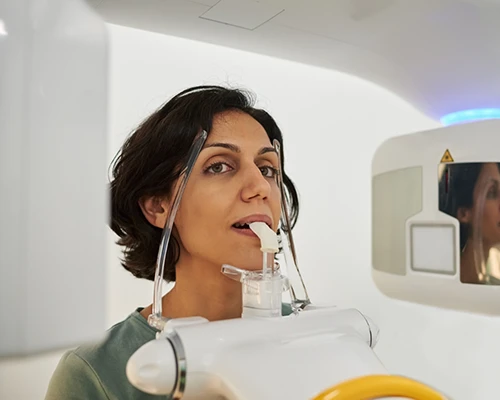
- Advanced Diagnostic Imaging Technology for Precise Diagnoses
Diagnosis & Treatment
TMJ dysfunction is a serious disorder that can affect your day-to-day life by making it uncomfortable to open your mouth when you speak or eat. Some of the most common symptoms that we see patients experiencing include:
- Jaw pain or tenderness
- Pain in one or both of the jaw joints
- Aching in or around the ear
- Unconscious grinding and clenching of the teeth
- Facial pain
- Lockjaw
- Clicking and popping sounds when you open or close your mouth
If you experience any of these issues, don’t hesitate to contact our dental office for a checkup.
Equilibration/ Occlusal Adjustments
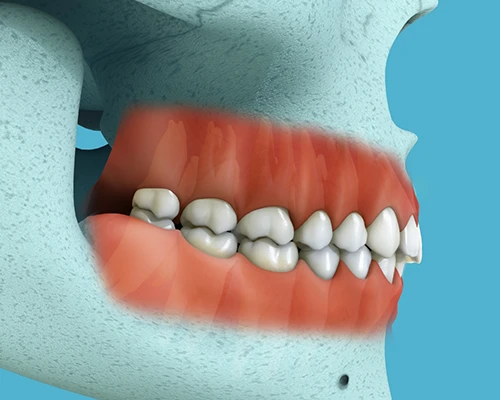
Sometimes, jaw pain and discomfort can develop as a result of an ill-fitting restoration or imbalanced bite. To help adjust the bite and relieve stress on one or both jaw joints, we may recommend occlusal adjustments. This involves re-crafting a better-fitting restoration or adjusting the shape of certain teeth to allow for a more even bite.
Occlusal Splints
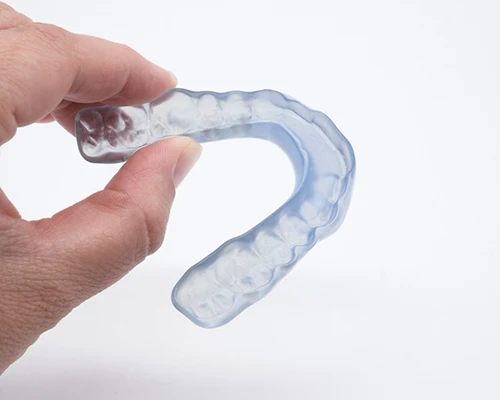
We offer custom-crafted occlusal splints to help shift your jaw into the ideal alignment and relieve your chronic jaw pain. They’re a clear orthotic device specially designed to protect your teeth from nightly grinding while also easing the strain on your joints so they feel better the next day. Each guard is custom-crafted to fit your unique dental structure so they’re comfortable and provide you with maximized protection.
TMJ Treatment FAQs
Can TMJ Disorder Be Cured Permanently?
In some cases, TMD symptoms subside on their own, without professional treatment. However, the underlying cause of the problem may still be present, meaning that the TMD is likely to recur in the future.
The good news is that professional treatment is often able to address the root cause of TMD. Our patients are usually able to achieve long-lasting relief from their symptoms. If no further injury occurs, it is possible that the pain relief will be permanent.
Is TMJ Treatment Safe?
Most forms of TMJ treatment are considered to be very safe. For example, an occlusal splint is completely noninvasive. All it does is gently reposition the jaw and prevent teeth grinding, so any risks involved are negligible.
If you have questions about the safety of any treatment that we recommend, please feel free to ask. We want you to feel confident and well-informed about any decisions you make regarding how to care for your precious smile.
How Long Does TMJ Treatment Take?
We will provide your custom occlusal splint as soon as we can. Laboratory schedules and other factors may affect how quickly we are able to get it to you.
An occlusal splint can put a stop to teeth grinding the first night you wear it. That in itself should provide some fast relief from your symptoms. However, it may be several weeks or months of consistent wear before you experience optimum benefits. It can take some time for the treatment to relax overworked muscles and allow them to recover.
While you are waiting for your occlusal splint to provide long-term results, you can try some at-home remedies to manage your discomfort. Things like heat/ice therapies, stretches, exercise, and dietary modifications can all provide quick but temporary relief.
Can TMD Be Treated Without Surgery?
In most cases, yes, TMD can be treated without surgical intervention. In fact, we always favor more conservative options where the situation allows for it. We do not want to expose our patients to the risks and long recovery time that come with invasive procedures. In rare cases, though, we may need to refer patients to a local specialist who can perform corrective jaw surgery.
Is TMJ Treatment Expensive?
The cost of TMJ treatment can vary from person to person. During your appointment, we can discuss specific numbers with you. Often, an occlusal splint can cost several hundred dollars. Even if your therapy seems pricey, remember the benefits you may receive. Improved oral health, improved chewing ability, and pain-free oral function are precious assets!
Is TMJ Treatment Covered by Insurance?
In some cases, TMJ treatment is partially covered by medical or dental insurance. Often, coverage depends on state law. In Maine, health insurance policies are obligated to cover treatments for TMD that are deemed medically necessary.
Our team welcomes insurance policies, and we can help you navigate your benefits and find out how they may apply. Please keep in mind that even if your insurance does cover TMJ treatment, you may likely still owe some money out of pocket.
How Long Does It Take for a TMJ Splint to Work?
You might notice results within a few days after you start wearing your occlusal splint. However, some patients need to wait up to six weeks to experience a marked improvement. Full results may take place after three to six months. However, it is important to keep in mind that every person is different. Some people experience significant relief within a much shorter or longer period of time. If a long time passes and you have not noticed a big improvement in your symptoms, talk to us about your concerns. We may be able to adapt your treatment plan in a way that produces results.
Can TMD Be Fixed with Braces?
In some cases, TMD is the result of a malocclusion (a misaligned bite, which occurs when the upper and lower teeth do not work harmoniously together). If we believe that is true in your case, we might refer you to a local orthodontic specialist. After treatment with braces or clear aligners, your upper and lower jaws may be in better alignment. Some patients find that their TMD symptoms are greatly reduced or even disappear altogether following orthodontic care.
Of course, orthodontic treatment can take quite a while to complete. In the meantime, you may need to use home remedies or other therapies to manage your discomfort.