Tooth Extractions South Portland
Building a Healthier Foundation for Your Smile

At Dockside Dental, we understand that there’s nothing that can compare to your natural teeth. That’s why we always try to salvage them whenever possible. However, in some cases, like if you have a severely decayed or damaged tooth that can’t be repaired, removing it can help us save the rest of your smile. We offer tooth extractions in South Portland to help improve your oral health and provide the rest of your smile with a healthy foundation so it can thrive.
Why Choose Dockside Dental for Tooth Extractions?
- Oral Conscious Sedation Available
- Skilled & Judgment-Free Dentists
- Insurance Welcome & Financing Offered
Reasons Why Tooth Extractions are Necessary
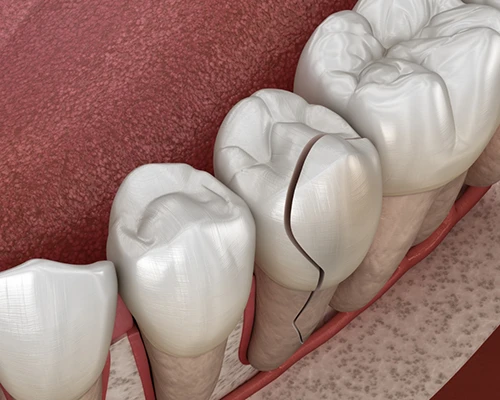
There are several different reasons in which we may suggest getting a tooth extraction. Some of these include:
- Severe decay has damaged a tooth beyond repair
- Gum disease has caused loose permanent teeth
- An accident left your tooth damaged and irreparable
- A root canal has failed to treat an infected tooth
Before we jump to an extraction as a solution, we’ll see if there’s any way that we’ll be able to save and repair your natural tooth. If you have any questions during your appointment or are worried about replacing your extracted tooth, just ask our team! We have plenty of modern dental solutions to help restore your smile.
The Process of Removing a Tooth
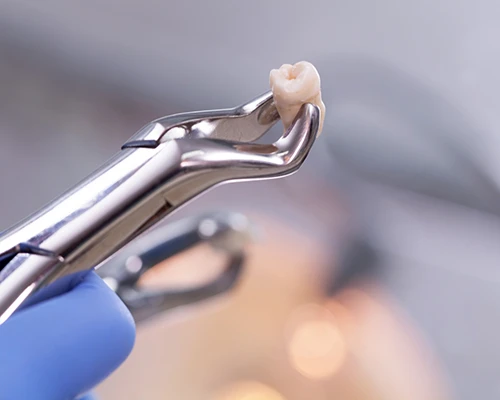
Typically, a surgical extraction is used to remove a badly decayed or damaged tooth. In this case, we thoroughly numb the patient’s mouth so they don’t feel any pain during their time in the treatment chair. Once they are ready to begin, we gently grip the tooth and rock it loose until it’s ready to be removed. At this point, we can take it out and tend to the extraction site.
Important note: If the tooth is trapped beneath the gumline, then we will need to first make an incision to access it. Then, we can remove it section by section and tend to the extraction site.
Tooth Extraction Aftercare

To ensure you heal as quickly and comfortably as possible, we will provide you with a list of aftercare instructions, like:
- Eating plain yogurt, applesauce, and other extremely soft foods
- Brushing and flossing carefully around the extraction site
- Taking OTC pain medication as directed
- Drinking plenty of water to stay hydrated (just don’t use a straw!)
- Don’t smoke, drink alcohol, or spit
- Keep your head elevated while you sleep
- Change the gauze pads as needed
Do you have any questions for us regarding tooth extractions? If so, don’t hesitate to get in touch with us! We’d be happy to provide you with the answers you’re looking for so the entire treatment process is as smooth and stress-free as possible.
Understanding the Cost of Tooth Extractions

One of the most common questions patients ask when preparing for an extraction is, “How much does it cost to pull a tooth?” The only way to answer this is by scheduling a consultation with a member of our team. We’ll evaluate the affected tooth or teeth and determine how invasive the procedure needs to be (simple or surgical). Using our state-of-the-art technology, we’ll develop a plan that not only determines how we plan to remove the tooth but also how much it will cost.
Factors That Can Affect Tooth Extraction Cost
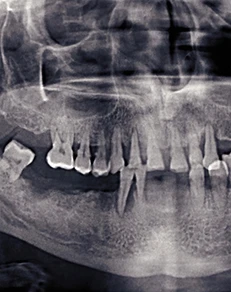
There are a few different factors you can expect us to consider when drafting a cost estimate for you to review. They include:
- The Location of the Tooth: Where the affected tooth exists inside the mouth can determine how much the cost of treatment will be. Those located toward the front are much easier than those that sit in the back of the mouth. Molars are much larger and have multiple roots, so they can be harder to remove.
- The Number of Teeth: Extracting a single tooth requires less time than if multiple teeth need to be removed. However, it can often be more cost-effective to have more than one extracted during a single appointment than planning them out separately.
- Type of Extraction: We’ll determine whether you need a simple or surgical extraction. If the tooth has partially erupted, it’s considered a “simple” procedure. If the tooth is impacted, it will require a surgical approach, which is more invasive.
Does Dental Insurance Cover Tooth Extractions?
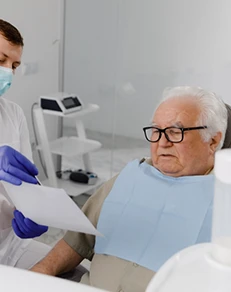
Most dental insurance companies will pay up to 50% of the total price of a tooth extraction; however, you must meet your annual deductible first. Failing to do so will mean your out-of-pocket costs will be much higher. Also, you need to have the remaining funds available as part of your annual maximum, as this will determine how much your insurance company will agree to pay. Our team will help you determine what your expected expenses will be and go over additional payment options should you need them.
Other Options for Making Tooth Extractions Affordable

We partner with CareCredit and Cherry so you can pay off your bill over time instead of all upfront. Upon approval, you will be able to split up the cost of treatment into smaller, easy-to-manage monthly payments.
Tooth Extractions FAQs
How Should I Prepare for My Tooth Extraction?
The first move is to ask the dentist any questions you have about treatment. In particular, confirm what to bring to the appointment and what to eat the morning of. Resolving such doubts will give you a sense of how the extraction itself will go.
Next, please follow any specific instructions your dentist has. These could include rules like only drinking water before treatment, taking a prescription medication, and so on. If you stick to the dentist’s guidelines, your extraction should face fewer (if any) challenges. You should also have someone drive you home after treatment, especially if you receive dental sedation.
Can I Leave the Space Empty After a Tooth Extraction?
Speaking technically, you can leave the space empty after tooth extraction; you aren’t required to get a restoration. It’s just that leaving this “smile gap” alone isn’t a good decision for your long-term oral health and function.
A person’s teeth do more than make their smile look good. They also let you chew properly and enunciate clearly, enhancing your quality of life. That means even mild tooth loss makes meals and speech difficult, with the issue often causing poor nutrition, indigestion, and worse. Leaving your smile gap alone would thus trigger many oral problems.
Given these facts, you should consider tooth replacement options after your tooth extraction. The right restoration will help you avoid the problems above.
What Risks Are Involved with Tooth Extractions?
While tooth extraction is a very safe service, it still carries certain risks. You’d do well to remember these before your actual treatment.
A tooth extraction’s main “risk” is a post-treatment infection. Since the procedure removes a normally permanent part of your smile, it can irritate the nearby gum tissues. It can also expose your empty socket to harmful bacteria, which could spread through your body via the extraction site.
Similarly, tooth extraction also has a slight risk of causing a dry socket. The latter problem occurs when a blood clot is dislodged from the extraction site, exposing dental nerves. It often causes severe mouth pain and delays a patient’s recovery from treatment.
Can I Smoke After Getting a Tooth Extracted?
You mustn’t smoke right after a tooth extraction. Tobacco products like cigars and cigarettes can delay healing, so using them would cause a host of oral problems. You’re better off giving up your smoking habit for a while post-extraction.
Of course, how long you refrain from smoking can vary. Most dentists recommend abstaining for at least five days after your treatment. On the other hand, it’d be even better if you didn’t smoke for two weeks once your extraction is over. You’ll ultimately want to consult your dentist about how long you should avoid tobacco products.
I Need a Checkup & Cleaning I Have a Cavity or Broken Tooth I am Missing One or More Teeth I Want to Enhance My Smile I Want a Straighter Smile I am Scared of the Dentist's Office I Have a Dental Emergency I am Worried About Gum Disease I Have Jaw Pain & Headaches I Snore/Have Sleep Apnea View Our Services